The threat of an asteroid impact is a persistent reality, not just a Hollywood scenario. While the probability of a catastrophic event is low, the potential consequences are immense. This article explores the sophisticated systems and scientific efforts dedicated to detecting and tracking Near-Earth Objects (NEOs), providing a data-driven look at how humanity is working to protect the planet.

The Science of Asteroid Hunting
Why Size Matters in Threat Assessment
Asteroids are categorized by their size, which directly correlates with their potential for destruction. Objects like the 60-meter meteor involved in the 1908 Tunguska event can flatten an entire city-sized area. In contrast, an asteroid over 1 kilometer in diameter is considered a continent-scale threat. The goal is to identify these objects well before they pose an immediate danger.
The Role of Wide-Field Telescopes
To detect these relatively small and dark objects, telescopes like Pan-STARRS in Hawaii are essential. Located atop Haleakalā, this system uses a 1.4-gigapixel camera to scan the sky. It captures images every minute, generating about 10 terabytes of data per night. This massive data stream is then processed in real-time by a cluster of over 1,000 cores to identify moving objects against the static background of stars.
For a deeper understanding of how AI agents are transforming data processing in various fields, you can explore this guide on installing AI agents.
Global Initiatives and Technological Infrastructure
The Legal Mandate for Planetary Defense
The 2005 George E. Brown, Jr. Near-Earth Object Survey Act formalized the U.S. commitment to finding 90% of NEOs larger than 140 meters. This size is enough to destroy a city, making it a critical threshold for planetary defense. The act led to the creation of NASA's Planetary Defense Coordination Office, which oversees these efforts.
Data Processing and Real-Time Analysis
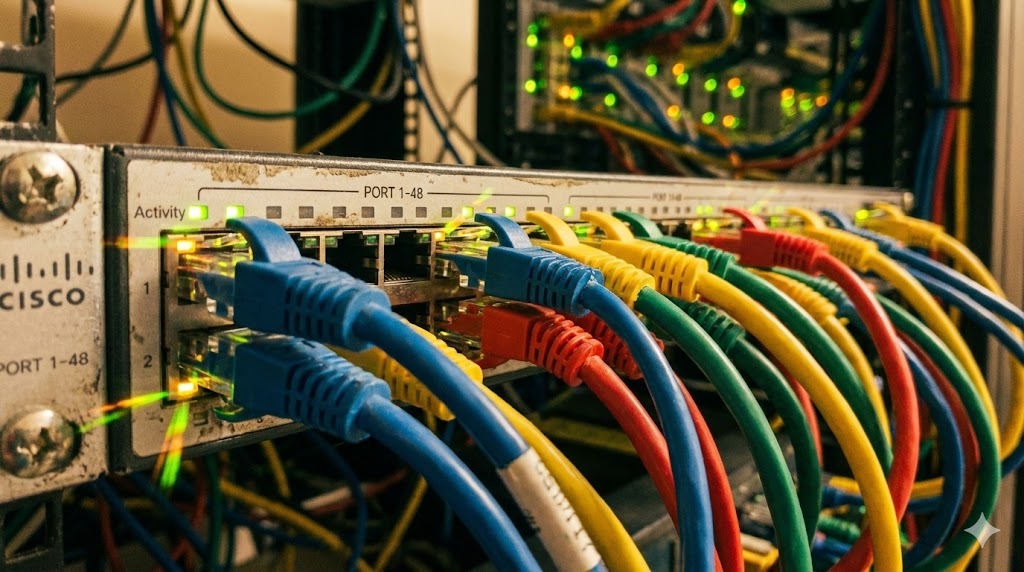
A major challenge is the sheer volume of data. The Pan-STARRS system's nightly output is comparable to the storage capacity of five new MacBook Pros. To handle this, scientists employ parallel processing, a technique that has been used in astronomy long before the rise of modern AI. The process involves cleaning raw data to correct for camera imperfections, ensuring accurate tracking.
| System | Primary Function | Data Output (per night) | Processing Power | Status || :--- | :--- | :--- | :--- | :--- || Pan-STARRS | NEO Detection & Tracking | ~10 TB | 1,000+ Core Cluster | Active || NASA PDCO | Coordination & Policy | N/A | N/A | Active || ATLAS | Final Warning System | N/A | N/A | Active || DART | Deflection Testing | N/A | N/A | Completed |
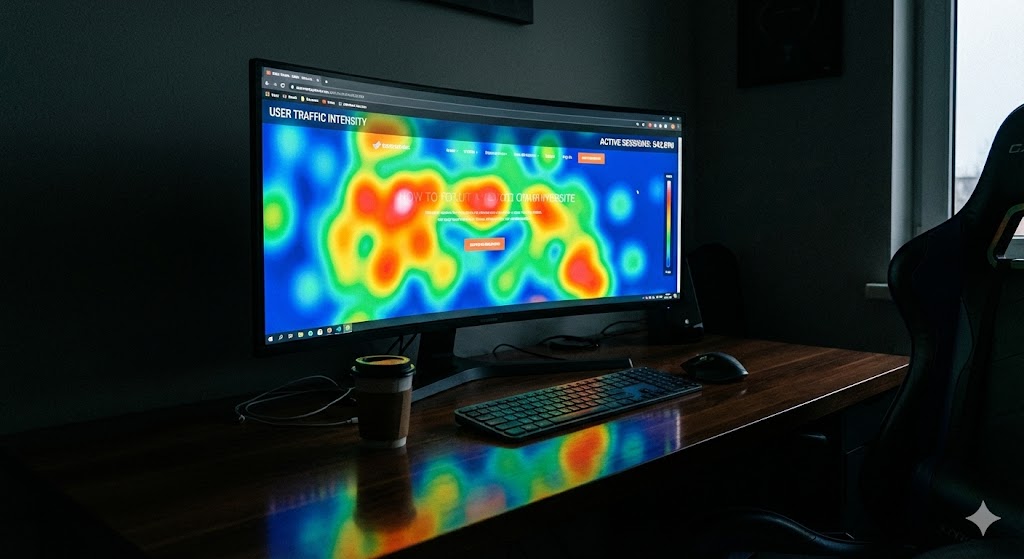 The infrastructure for planetary defense is a testament to human ingenuity and international collaboration. While the threat is real, the systems in place provide a critical early warning capability. For those interested in the intersection of technology and practical application, understanding this data pipeline is crucial. If you're interested in physical builds, you might also enjoy this DIY guide for a portable gaming setup.
📅 Information accurate as of: 2024-05-24