🌐 The Day the Internet Stumbled: AWS Outage 2025
On October 24, 2025, a routine Sunday turned into a digital crisis when Amazon Web Services (AWS) experienced a catastrophic failure in its US-East-1 region. What began as increased DynamoDB API error rates cascaded into a global internet disruption affecting services ranging from major banks to gaming platforms and smart home devices. The incident exposed a sobering reality: approximately 33% of global internet services depend on AWS infrastructure, creating unprecedented concentration risk in the cloud computing ecosystem. This wasn't just a technical glitch—it was a wake-up call about the fragility of our interconnected digital world.
🔍 Technical Breakdown: The Cascade Failure
The outage originated in AWS's DynamoDB service, a fully managed NoSQL database handling over 1 billion requests per hour for Amazon properties including Alexa, Amazon.com, and fulfillment centers. A latent defect in automatic DNS management triggered the initial failure, which then propagated through dependent services.
Key Impact Timeline:
- Phase 1 (Sunday midnight PT): DynamoDB API error rates spike in US-East-1
- Phase 2: EC2 instances experience increased latency and failure to launch
- Phase 3: Network load balancer failures due to failing node health checks
- Resolution: Full service restoration by Tuesday 4 AM PT
📊 Global Service Disruption Scale
Financial analysts estimated potential economic impacts in the hundreds of billions, though precise measurement remains challenging. The outage's reach extended far beyond Amazon's own ecosystem, affecting third-party services that had built their infrastructure on AWS's seemingly reliable foundation.
For deeper insights into how technological dependencies can create systemic vulnerabilities, consider exploring our analysis of major financial scandals and their technological enablers.

⚠️ Critical Infrastructure Vulnerabilities Exposed
The AWS outage revealed several concerning patterns in modern internet architecture:
Single Point of Failure Concentration: Data from Cloudflare and other monitoring services indicates that combining AWS with Cloudflare creates a particularly devastating vulnerability—two critical support beams that, if compromised simultaneously, could cripple significant portions of the internet.
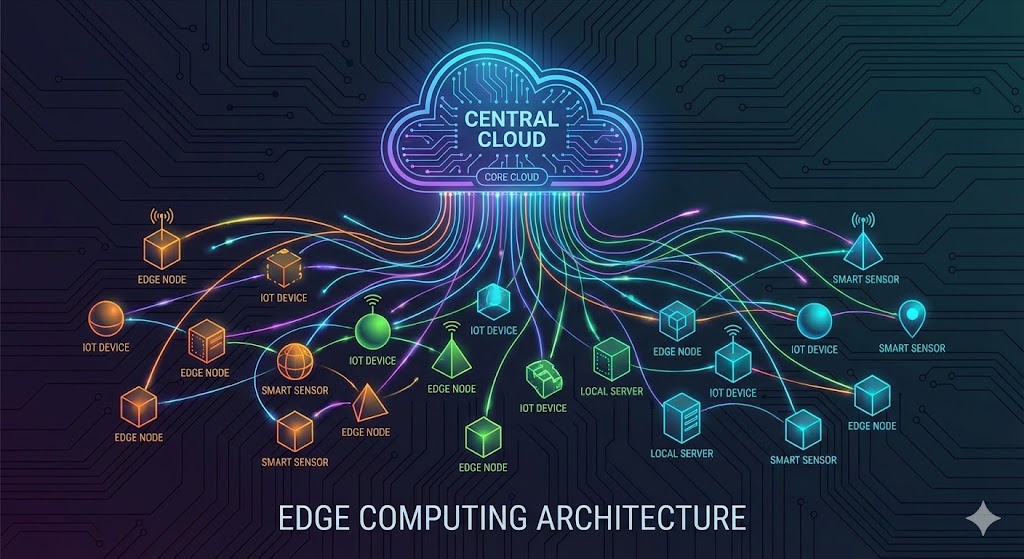
IoT Device Cloud Dependency: Smart bed manufacturer Eight Sleep reported customers being unable to adjust bed temperature or position during the outage, highlighting unnecessary cloud dependencies for local device communication. Industry analysis suggests this design choice prioritizes data collection over user functionality.
| Service Category | Impact Examples | Downtime Duration | User Experience Impact |
|---|---|---|---|
| Social Media | Reddit, Snapchat | 2-4 hours | Communication disruption, content loss |
| Financial Services | Major banks, Venmo, Robinhood | 1-3 hours | Transaction failures, account access issues |
| Gaming & Entertainment | Fortnite, Roblox, HBO Max | 2-6 hours | Game crashes, streaming interruptions |
| Communication Tools | Slack, Zoom, Signal | 1-4 hours | Audio/video call failures, message delays |
| Smart Home Devices | Eight Sleep beds, Ring | 2-8 hours | Local control loss, automation failures |
Sports Technology Failure: Premier League soccer officials were forced to manually confirm offside calls when AWS-based semi-automated technology failed, demonstrating how cloud dependencies have penetrated even traditional industries.
This incident parallels concerns in AI infrastructure development, where similar concentration risks are emerging. For related analysis on AI industry challenges, see our coverage of critical AI breakthroughs and infrastructure limitations.
🔮 Future-Proofing Internet Infrastructure
The 2025 AWS outage serves as a critical case study in distributed systems risk management. While cloud services offer undeniable scalability and cost benefits, this incident demonstrates the need for strategic redundancy planning.
Key Recommendations for Enterprise Architects:
- Multi-Cloud Strategies: Implement failover mechanisms across at least two cloud providers
- Hybrid Architecture: Maintain critical on-premises infrastructure for core business functions
- Dependency Mapping: Regularly audit third-party service dependencies and their failure modes
- Local Functionality: Design IoT and edge devices to maintain basic functionality without cloud connectivity
Industry Response Patterns: Following the outage, Eight Sleep introduced an "outage mode" for their smart beds—a feature that should arguably be standard operating mode rather than a post-crisis addition. This reactive approach highlights the industry's tendency to address symptoms rather than architectural root causes.
📅 Information基准日: 2025年10月
The internet's resilience depends on learning from these incidents. As cloud concentration increases, so does systemic risk. The 2025 AWS outage wasn't an anomaly—it was a preview of challenges to come in an increasingly centralized digital ecosystem.