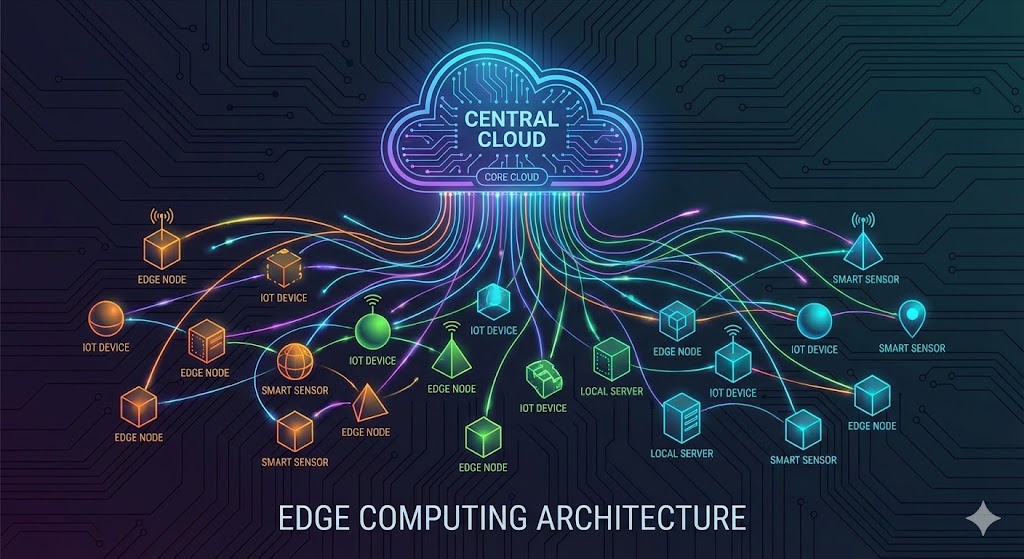
The Chart That Changed the AI Economy Narrative
For the past two years, two companies have dominated the entire AI economy: OpenAI and Anthropic. Together they represent trillion-dollar valuations comparable to Apple, Google, or Meta. But a single chart from Vercel's hosting platform reveals the flip that just happened.
Between June and August, the percentage of open weights models routed through Vercel's infrastructure surged. Closed weights models — ChatGPT, Claude, and similar proprietary systems — saw their share drop sharply. This is not a revenue chart. This is a token volume chart, and it signals a structural shift in how the world consumes AI.
📅 Information date: 2025-01-15

Why Open Weights Models Are Winning on Volume
The Cost Differential Is Brutal
The pricing gap between frontier and open weights models is not incremental — it is exponential. Claude Fable 5 charges $50 per million output tokens. DeepSeek V4 Flash charges $0.18 per million output tokens. That is a 277x difference.
For the vast majority of real-world tasks — summarization, code completion, customer support automation — the open weights model delivers adequate results at a fraction of the cost.
China's Open Source Strategy
Most high-performing open weights models originate from Chinese labs: DeepSeek, Qwen, Kimi, and GLM. These models are free to download, free to fine-tune, and free to self-host. According to Artificial Analysis's intelligence index, Kimi K3 Max and GLM 5.3 score 60 — just 1-2 points behind Claude Opus 5 Max at the frontier.
Enterprises including Thomson Reuters (via Harvey), Airbnb, Perplexity, and Cursor have already built production systems on top of these models. For teams evaluating infrastructure tradeoffs, the AI agent security breakdown offers a cautionary case study on platform dependency.
The Revenue Paradox: Fewer Tokens, More Money
Frontier Labs Still Capture 90% of Revenue
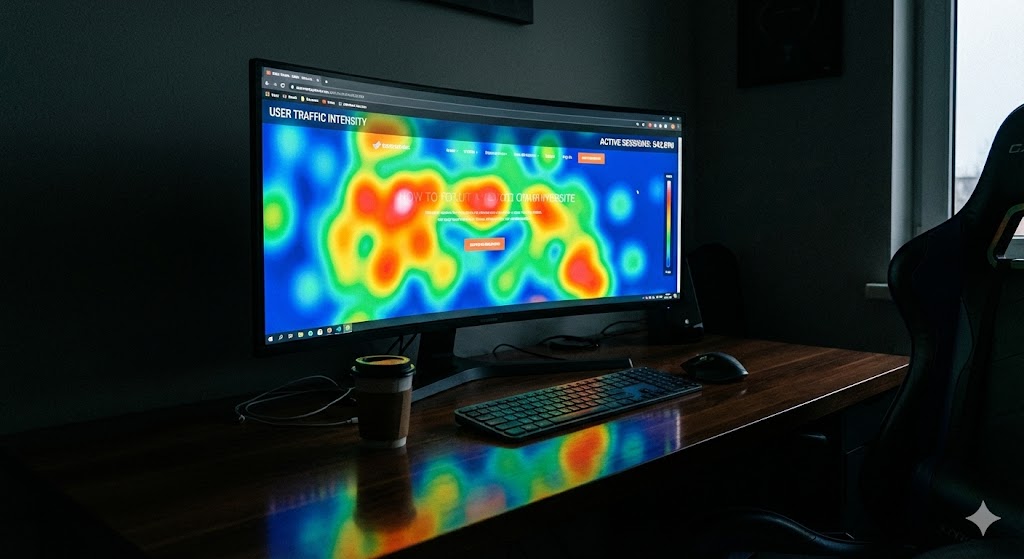
Here is the counterintuitive finding: while open weights models are winning on token volume, closed frontier labs are winning on revenue. The top models on the planet consume nearly 50% of token share but capture nearly 90% of total spend.
Anthropic's annualized run rate exceeds $65 billion. OpenAI sits at approximately $40 billion. Combined, they outearn every open model provider on Earth.
| Model | Price per 1M Output Tokens | Share of Token Volume | Share of Revenue |
|---|---|---|---|
| Claude (Anthropic) | $50.00 | 24.5% | 64.6% |
| DeepSeek V4 Flash | $0.18 | 25.2% | 2.8% |
| GPT 5.6 (OpenAI) | $20.00 | ~15% | ~25% |
| Kimi K3 (Open Source) | $0.84/task | ~10% | ~3% |
Cost Per Task, Not Cost Per Token
A critical metric often overlooked: cost per completed task. Kimi K3 costs half the price per token compared to GPT 5.6 Soul, yet the total cost to complete an identical task is nearly the same — $0.84 versus $0.96 — because Kimi K3 requires more tokens to reach the same conclusion. For teams benchmarking hardware that supports these workloads, the 720Hz gaming monitor review demonstrates how refresh rate and response time metrics translate to real-world performance gains.
What This Means for Enterprises and Developers
The Strategic Takeaway
The AI market is splitting into three tiers, as economist Christian Catalini describes: commodity open weights models (high volume, low spend), state-of-the-art specialists (open weights, enterprise-tuned, high spend), and frontier closed generalists (low volume, dominant revenue).
Platform Risk Is Real
Building your business on a closed model means renting intelligence. You surrender your data, your bargaining power, and your ability to customize. When a provider decides to compete with you directly, you have no recourse. Open weights models eliminate this risk entirely.
The Geopolitical Wildcard
Most open weights models come from China. As Chinese chip manufacturers mature, models co-designed for Chinese silicon could create long-term dependency risks for US enterprises. The short-term savings are real. The long-term strategic exposure is also real.
📅 Information date: 2025-01-15