The next technological revolution is not in the cloud, but in the physical world. Physical AI, which enables machines to perceive, understand, and act in real-world environments, is rapidly moving from science fiction to a tangible market. As of 2025, this sector is poised for explosive growth, attracting massive investment and reshaping the future of work.
What Exactly is Physical AI?
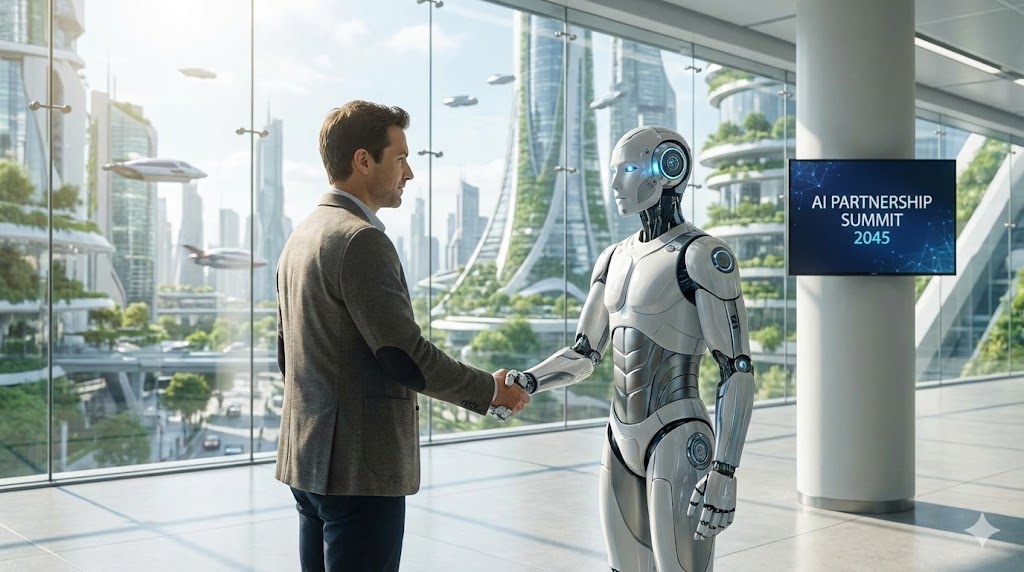
Physical AI represents the convergence of advanced AI models with physical hardware, primarily robots. Unlike traditional AI that operates in digital spaces, physical AI uses sensors to observe its environment and actuators to perform actions, bridging the gap between intelligence and reality.
From Language Models to Action Models
The evolution is a direct extension of Large Language Models (LLMs). As LLMs progressed to understand images (Vision-Language Models), the next logical step was controlling physical bodies. This leap enables robots to perform complex tasks, moving from simple text generation to actions in the real world.
The Sim-to-Real Transfer Challenge
A critical hurdle is the 'sim-to-real' gap. Training AI in a simulated environment often fails to translate to the messy, unpredictable nature of the real world. For instance, a robot trained to drive in a simulation may not account for slippery terrain or unexpected obstacles, highlighting the need for advanced engineering and data collection. For more on how hardware is evolving, check this AI hardware comparison guide.

The Market Opportunity and Investment Landscape
Analysts project the market for physical AI to dwarf previous tech sectors. While the mobile and automotive markets are estimated at around 7 trillion USD, the potential for humanoid robots alone is staggering. Conservative estimates suggest 100 million units sold, while optimists like Elon Musk project 10 billion units, representing a market in the tens of trillions of dollars.
Key Players and Business Models
Companies are exploring various business models, from direct sales to subscription services. A notable example is the Norwegian company 1X, backed by OpenAI, which has launched a beta subscription service for its household robot at approximately $1,000 per month. This model is not without its caveats, as the service currently relies on human teleoperators for complex tasks, a strategy for data collection.
| Model | Core Spec | Estimated Price | User Rating (5.0) |
|---|---|---|---|
| Tesla Optimus | General-purpose humanoid | $30,000 - $40,000 | 4.5 |
| 1X NEO | Home assistance robot | ~$1,000/month subscription | 4.0 |
| Figure 01 | Warehouse/Logistics | Not Public | 4.2 |
The Data Collection Strategy
While remote human operation may seem like a step back, it is a crucial data collection phase. This 'human-in-the-loop' approach allows companies to gather valuable real-world interaction data, which is then used to train the AI for autonomous operation. This process is the foundation for making robots truly autonomous in the future. For a deeper dive into large-scale financial trends, see our analysis of global financial systems.
The Future of Work and Skills
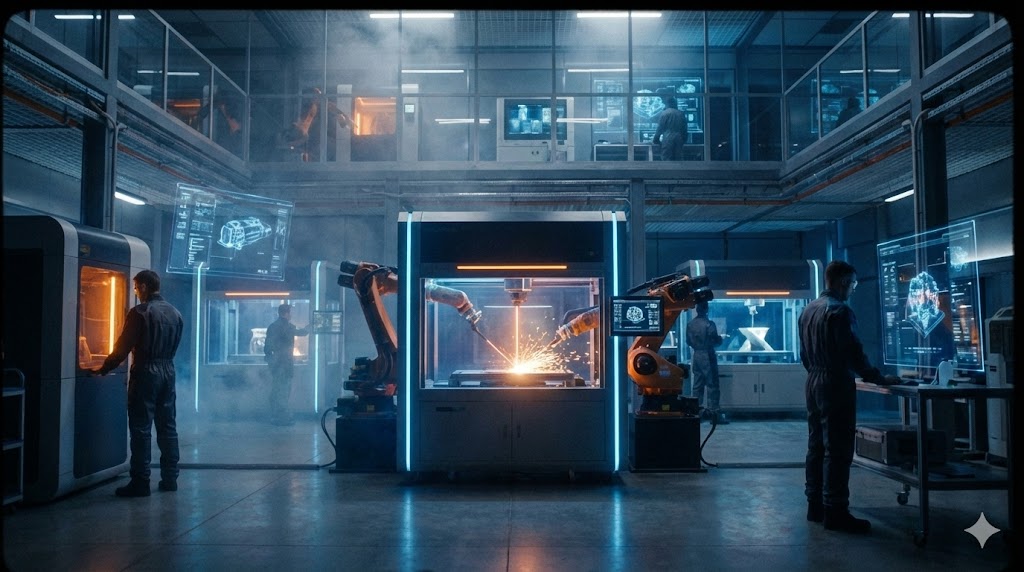
The rise of physical AI will inevitably automate many routine physical tasks, much like the industrial revolution did. However, history shows that this leads to the creation of new job categories centered on service, experience, and creativity. The key takeaway is that individuals should focus on either building AI or developing the 'taste' and vision to use AI tools effectively, as the quality of output will depend heavily on the user's direction.
📅 Information based on expert analysis as of {{2025-05-20}}.