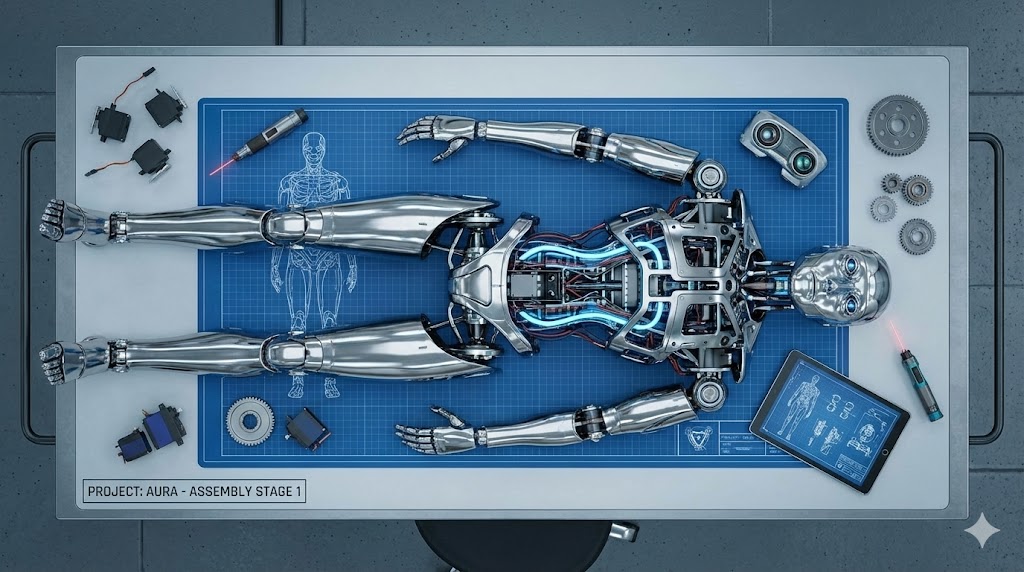
Semiconductor Stocks at a Crossroads: Buy or Sell?
Semiconductor stocks have become the centerpiece of global investment portfolios, driven by unprecedented AI demand. SK Hynix and Samsung Electronics, the world's two largest memory chip makers, now face wildly divergent analyst price targets — ranging from 1.85 million KRW to 4.3 million KRW for SK Hynix alone. This 245% gap reflects a fundamental disagreement: is this a cyclical peak or structural growth?
This analysis examines the data behind these valuations, the HBM (High Bandwidth Memory) contract dynamics, and what global investors should consider before allocating capital to semiconductor stocks in 2025.
📅 Information Date: July 2025
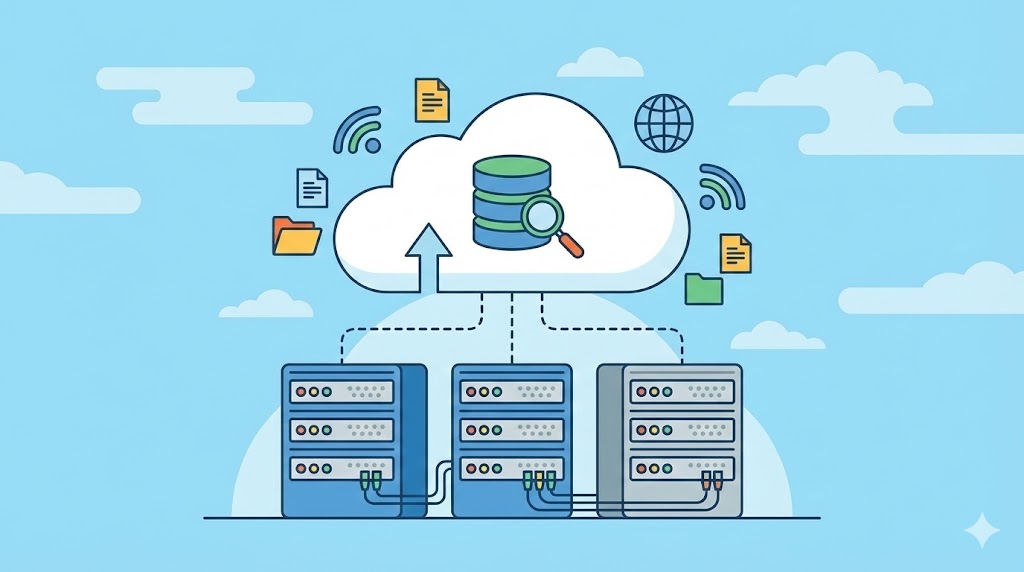
Understanding the Valuation Disconnect
Why Analyst Targets Diverge by 245%
The core issue lies in whether semiconductor companies should be valued as cyclical stocks or structural growth stocks. According to analyst reports, those viewing SK Hynix as cyclical point to slowing growth rates — operating profit growth decelerating from 50 trillion KRW to 110 trillion KRW quarter-over-quarter. Cyclical valuation models typically apply a 5x PER multiple.
Conversely, analysts viewing the sector as structural growth cite HBM's unique positioning. SK Hynix's HBM contracts (LTA — Long-Term Agreements) provide revenue visibility extending 2-3 years, according to industry sources. Structural growth valuation could justify significantly higher multiples.
The HBM Factor
HBM represents the critical differentiator. NVIDIA's AI GPUs require HBM stacks, and SK Hynix commands approximately 90% market share in this segment as of 2025. Data from semiconductor industry reports indicate HBM revenue could reach $30 billion annually by 2026.
For investors seeking broader technology exposure, understanding AI automation trends reshaping major corporations provides essential context for the semiconductor demand outlook.

Comparing Semiconductor Investment Options
Valuation Metrics Across Major Players
| Company | Key Specs | Est. Price Target | Analyst Rating (5-scale) |
|---|---|---|---|
| SK Hynix | HBM3E 12-layer, 24GB | 1.85M - 4.3M KRW | 3.5 |
| Samsung Electronics | HBM3E 8-layer, 24GB | 390K - 600K KRW | 4.0 |
| Micron | HBM3E 8-layer, 24GB | $150 - $200 | 3.8 |
| TSMC | 3nm process, CoWoS | $200 - $250 | 4.2 |
Physical AI and Automotive Semiconductor Demand
Beyond memory chips, physical AI applications — robotics, autonomous vehicles — represent the next semiconductor demand wave. Hyundai Motor Group's robotics initiatives and Tesla's Optimus production plans for late 2025 could drive additional chip demand. According to industry reports, automotive semiconductor content per vehicle is projected to increase 50% by 2027.
For automotive technology insights, see this digital side mirror installation review covering practical EV technology applications.
China's Memory Chip Challenge
CXMT (ChangXin Memory Technologies) IPO plans have raised concerns about low-cost DDR4/DDR5 competition. However, technology gaps of 2-3 years remain, according to semiconductor analysts. US market restrictions on Chinese chips further limit near-term competitive threats.

Investment Strategy: Balancing Risk and Opportunity
Key Takeaways
The semiconductor investment thesis ultimately depends on your market view: cyclical traders should watch for growth rate deceleration signals, while structural growth investors should focus on HBM contract expansions and AI demand sustainability.
Practical allocation guidance based on analyst consensus:
- Allocate gradually on price declines, not rallies
- Maintain 20-30% cash reserves for volatility
- Consider semiconductor ETFs for diversified exposure
Risk Factors
- CXMT technology advancement timeline
- Big Tech capital expenditure adjustments
- Global economic slowdown affecting AI investment
- Currency fluctuations for international investors
📅 Information Date: July 2025
Disclaimer: This content is for informational purposes only and does not constitute investment advice. Always conduct your own research before making investment decisions.